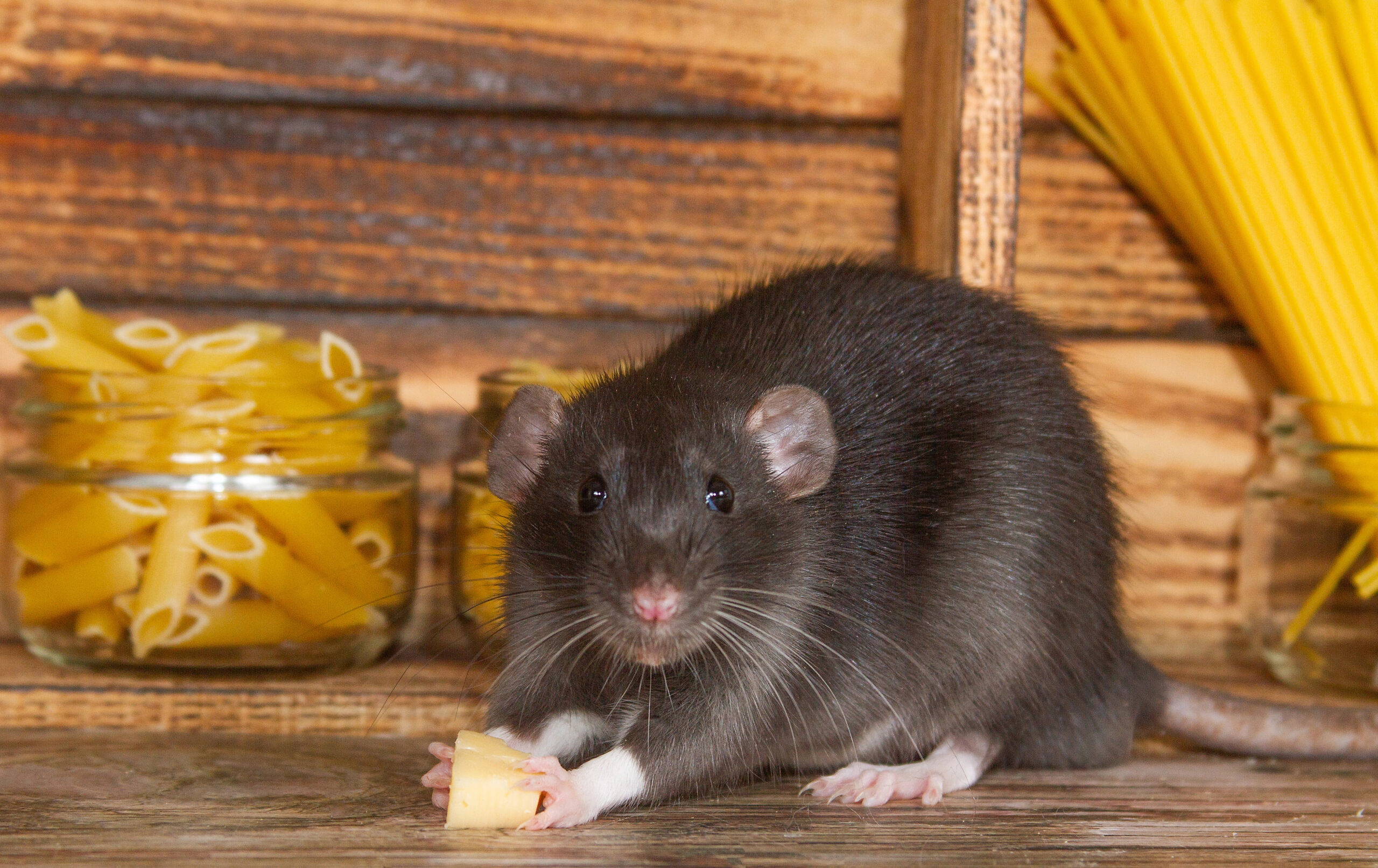
If you’ve ever heard scratching in the attic or scurrying in the walls, you’re not alone. Rodents are a part of island life — but that doesn’t mean they belong in your home. Hawai‘i’s warm weather and open-style construction make our houses the perfect playground for rats and mice looking for food and shelter.
At Kilauea Pest Control, our Rodent Exclusion Team specializes in keeping those “guests” out for good. While traps can help, the real solution is prevention — finding where they’re sneaking in and sealing every gap, crack, and hidden crawlspace they use to enter.
From older single-wall plantation homes in Wahiawā to modern condos in Honolulu, rodents don’t discriminate. The way they get in just depends on your home’s style and structure.
Not Every Rodent “Moves In” — But Every Visit Matters
You might only hear them once in a while — running around in the attic for a few nights and then disappearing for months. That doesn’t always mean you have a full-blown infestation.
Rodents, especially roof rats, often use attics, garages, and crawl spaces as part of their travel route between homes. They’ll pass through, explore, maybe chew on a wire or two, and then move on. But even those “short visits” can cause long-term problems — droppings, damaged insulation, or contamination in the air.
Here are five common entry points rodents love in Hawai‘i homes — and how to block them before they find their way in.
1. Roof Gaps and Eaves
Roof rats didn’t get their name by accident. They’re expert climbers and can scale fences, trees, or utility lines to reach your roof. Once up there, they slip through small gaps near eaves, vents, or loose shingles.

Older plantation-style and single-wall homes are especially vulnerable since many have open rafters or exposed eaves. In coastal areas, salt air can also cause materials to warp or separate over time, making those gaps even wider.
How to block them: Trim any tree branches touching your roof, and have a professional inspect vents and eaves. Our Rodent Exclusion Team seals openings with metal flashing and rodent-proof mesh — the kind that holds up to Hawai‘i humidity and can keep out even the slimmest roof rat.
2. Gaps Around Pipes and Utility Lines
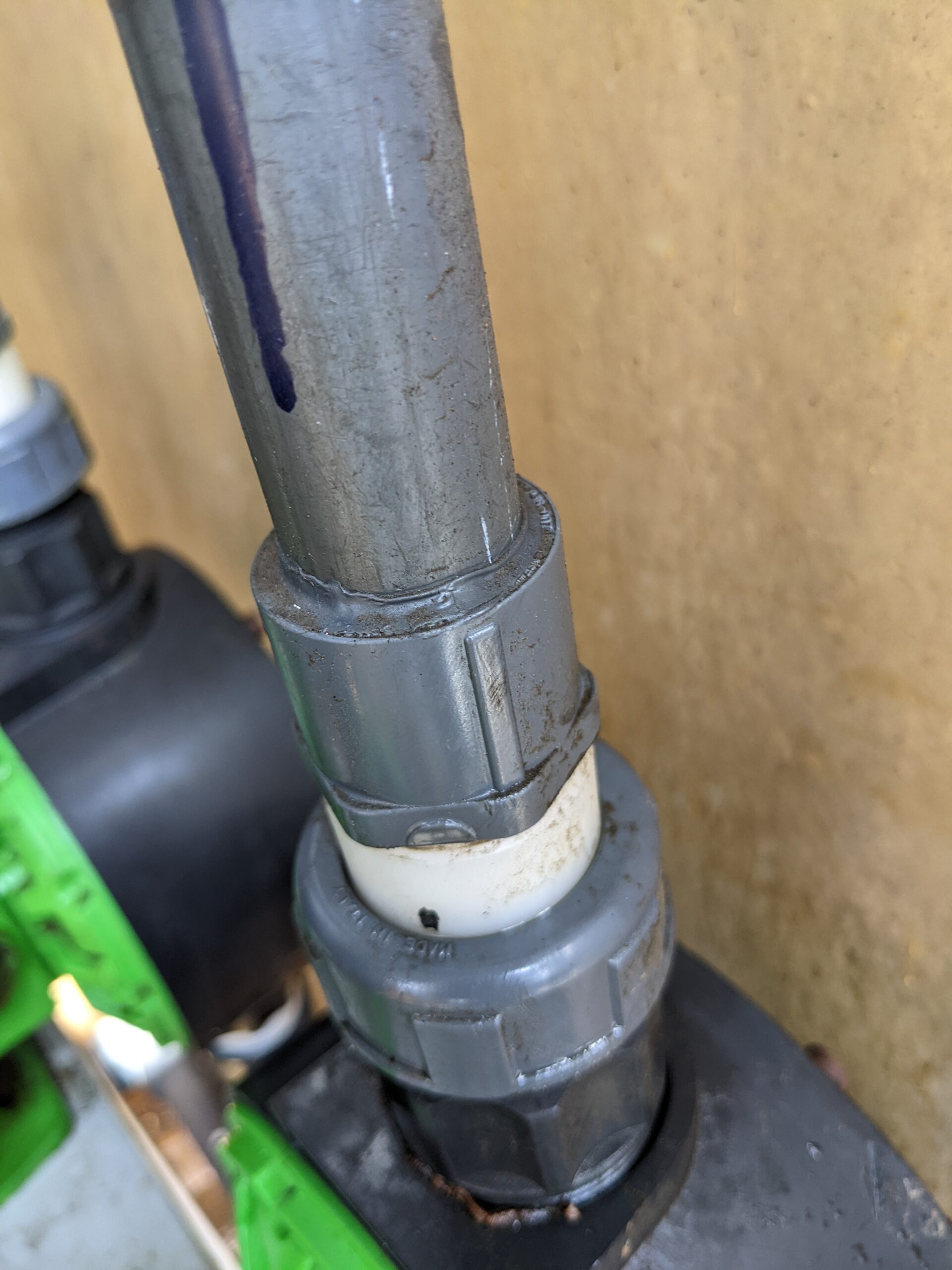
You’d be surprised how often rodents enter through plumbing and AC line openings — especially under sinks or behind the washer. Over time, caulking breaks down and leaves just enough space for them to slip through.
This problem shows up in all kinds of homes — older single-wall builds, newer houses, and even condos. Basically, anywhere there’s a utility line, there’s potential for a pest highway.
How to block them: Check around pipes and utility lines, sealing any openings with steel wool, caulk, or metal mesh. It’s a simple fix that makes a big difference. Our team often finds these are the most overlooked spots during rodent inspections.
3. Garage Doors and Vents
If your home has a garage, especially in suburban areas like Mililani, Kapolei, or Kailua, it’s one of the easiest access points for rodents. A small space under the door or around a side vent is all it takes.
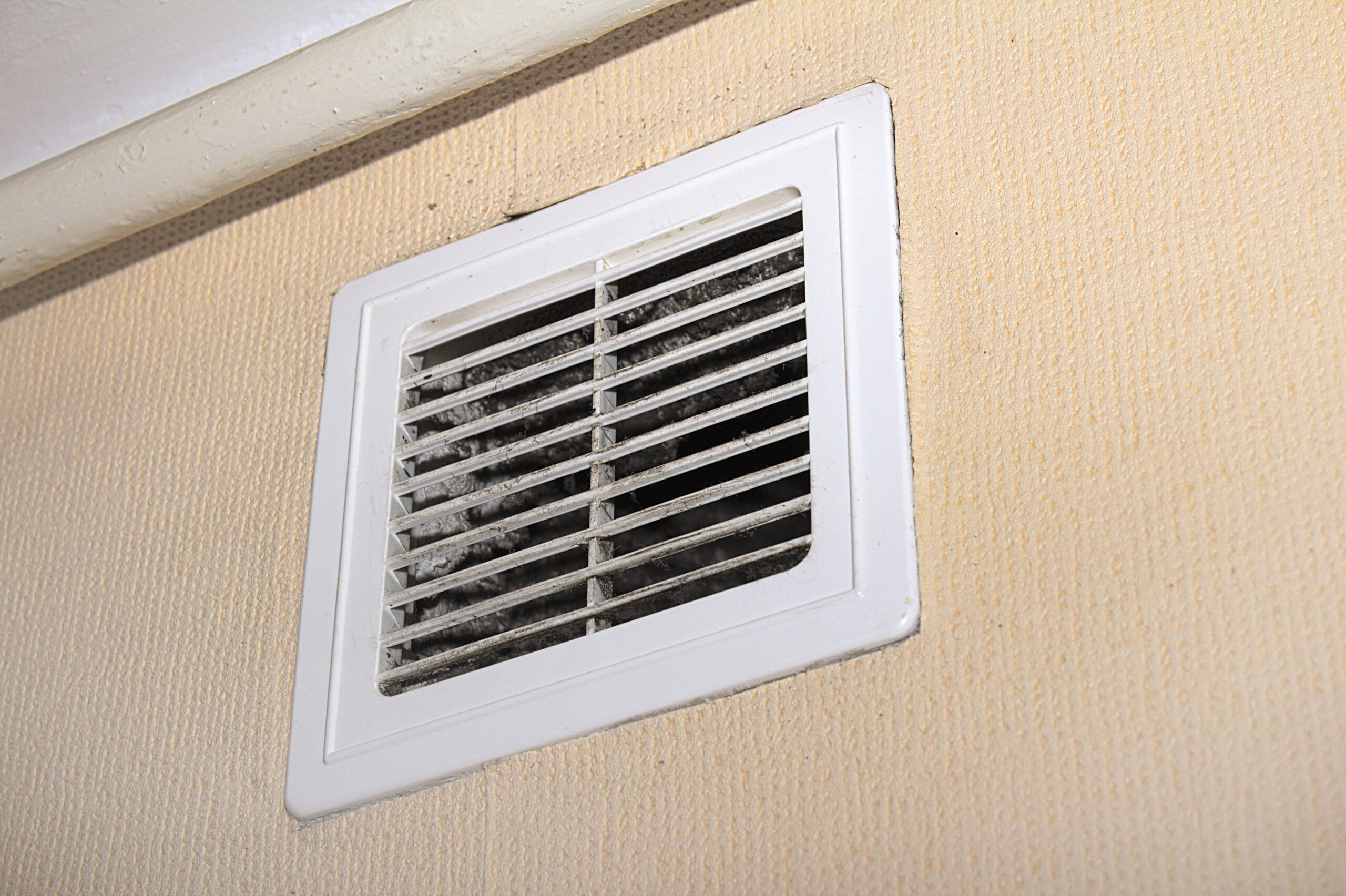
Garages are warm, quiet, and often stocked with storage boxes and pet food — all things rodents love. Even if they don’t stay long, they can still leave droppings, chew marks, and nesting materials behind.
How to block them: Check your door seal — if light or air gets through, so can a mouse. Replace worn weatherstripping and install door sweeps or vent covers. Our Rodent Exclusion Team upgrades these areas using heavy-duty materials that withstand both rodents and Hawai‘i’s salt air.
4. Crawl Spaces and Foundation Cracks
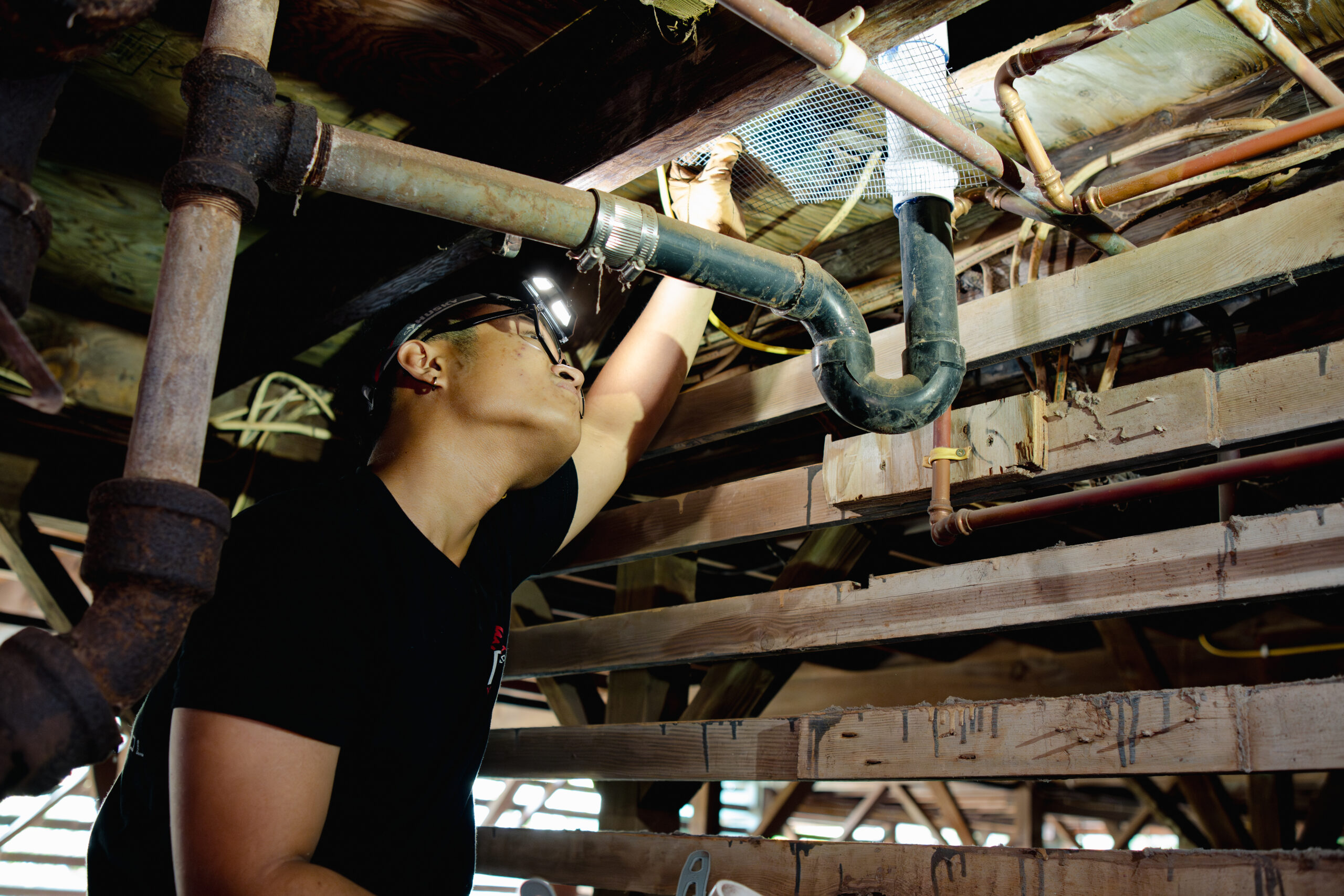
Many older Hawai‘i homes sit on post-and-pier foundations, which create crawl spaces that are cool, dark, and perfect for rodents looking for shelter. Even homes built on slabs can develop cracks that open a pathway inside.
How to block them: Inspect foundation vents and make sure the screens aren’t rusted or loose. Seal cracks using durable materials that can handle the island climate. Our team reinforces these areas with mesh designed to keep rats out — and air flowing properly underneath your home.
5. Doors and Windows That Don’t Seal Tight
This one’s easy to overlook. If you can see daylight under your door, a mouse can fit through it. Humidity and salt air wear down weatherstripping fast in Hawai‘i, and older sliding windows are known for leaving tiny gaps that rodents can exploit.
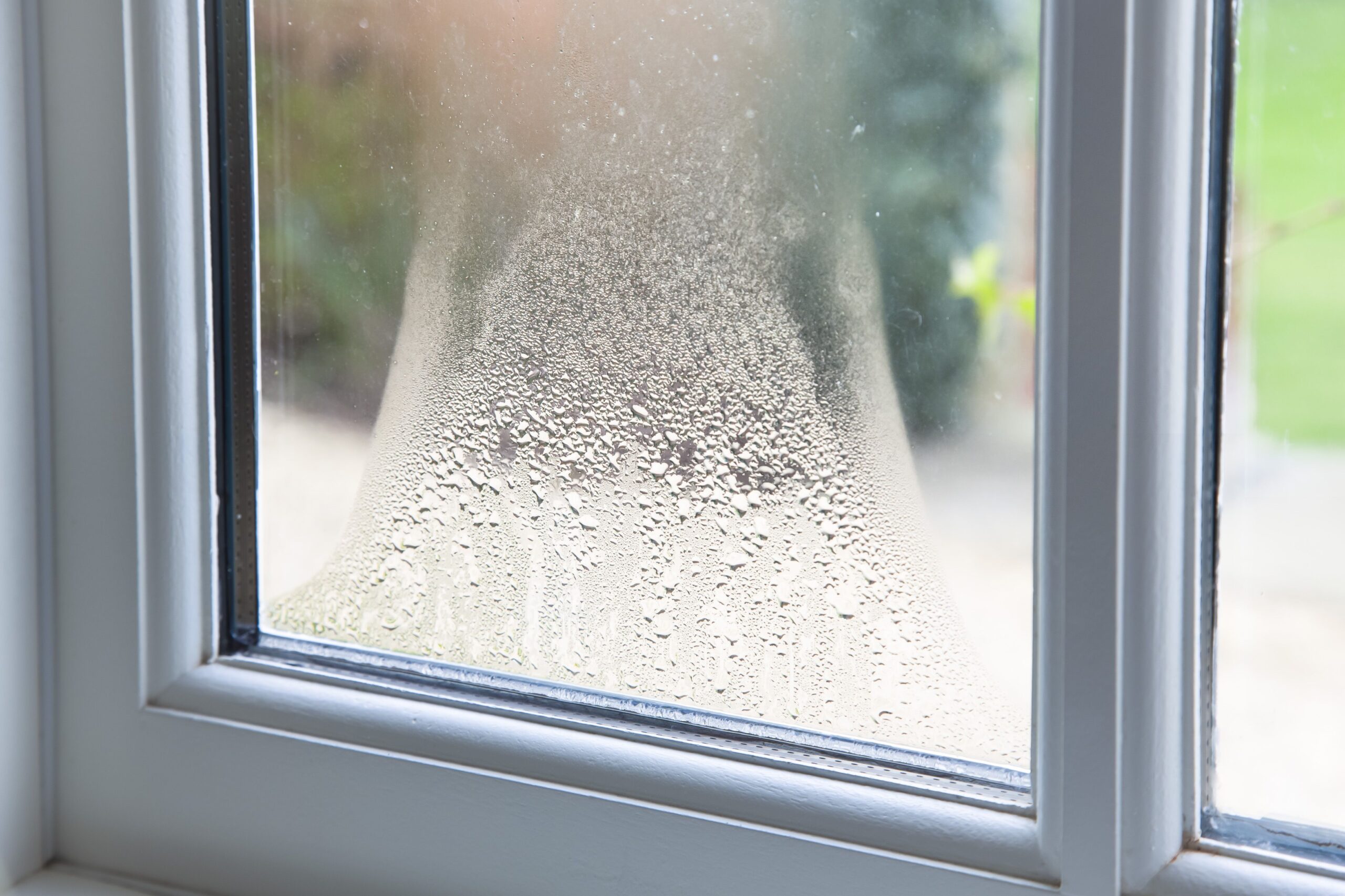
This is especially common in townhomes and condos, where lower floors or trash areas attract pests.
How to block them: Replace weatherstripping as soon as it wears out, and repair torn screens. Our Rodent Exclusion Team installs custom barriers that keep pests out — without sealing your home too tight.
Keep Rodents Out for Good
Rodents are clever — but we’ve learned their tricks. Whether they’re full-time tenants or just passing through, we can stop them from turning your home into their playground.
At Kilauea Pest Control, we don’t just treat the problem. We find how it started, seal it off, and keep it from coming back.If you’ve been hearing noises in the attic or spotting droppings in the garage, it’s time for a closer look.
Schedule a rodent inspection with our Rodent Exclusion Team today and protect your home the smart, permanent way.