Whether you called a pest control service because of a persistent infestation, endless DIY traps that didn’t work, or just for peace of mind, it’s natural to wonder what happens after the treatment is done. Sometimes seeing pests afterward can be unsettling—but it doesn’t mean the service isn’t working.
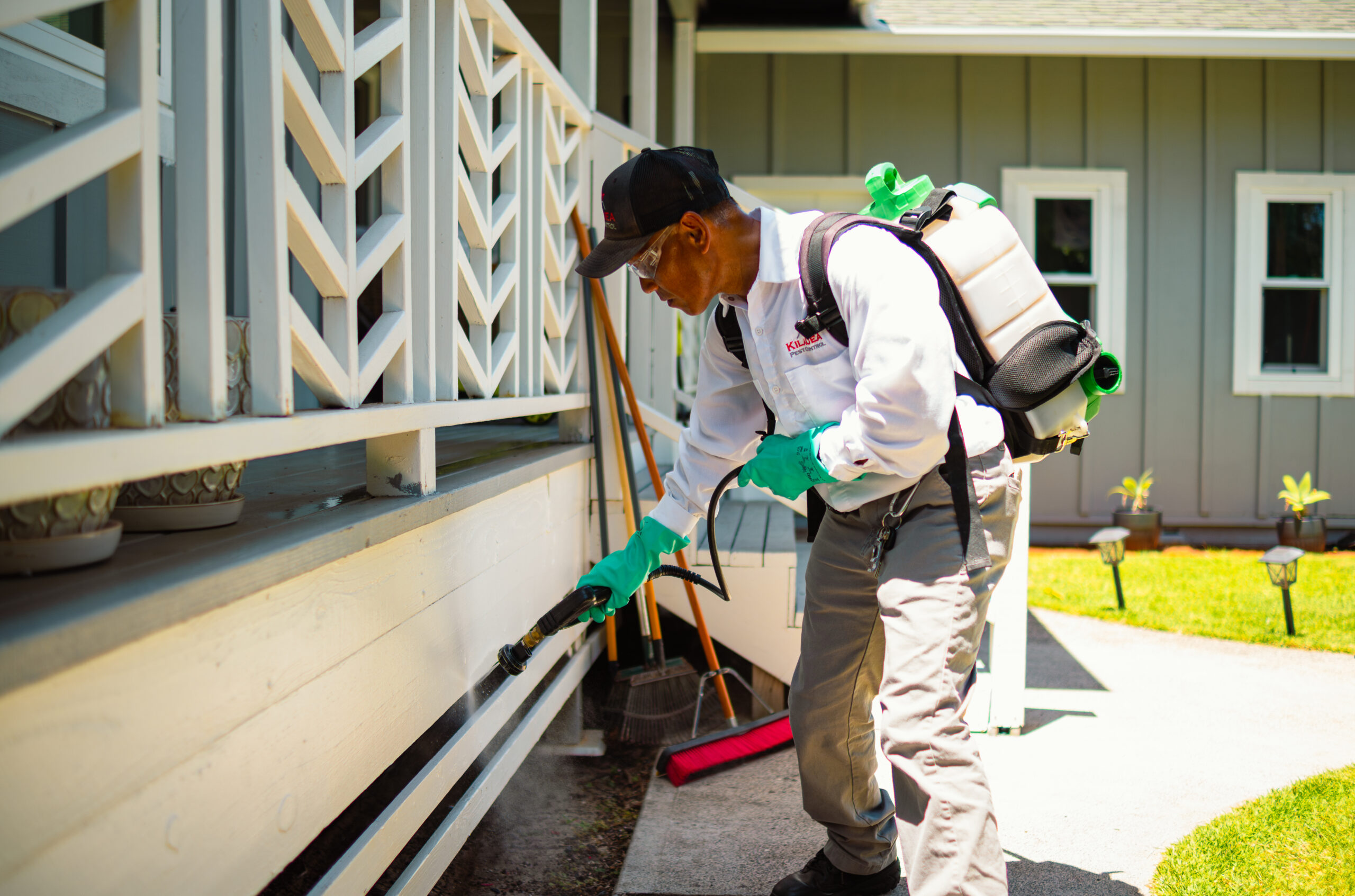
This guide will give you a clear look at what to expect after your initial treatment so you can tell if things are on track. Your pest control company should be your partner and resource, not a source of stress, and knowing what’s normal can help you feel confident that your home is on the right path to being pest-free.
Why You Might See More Pests at First
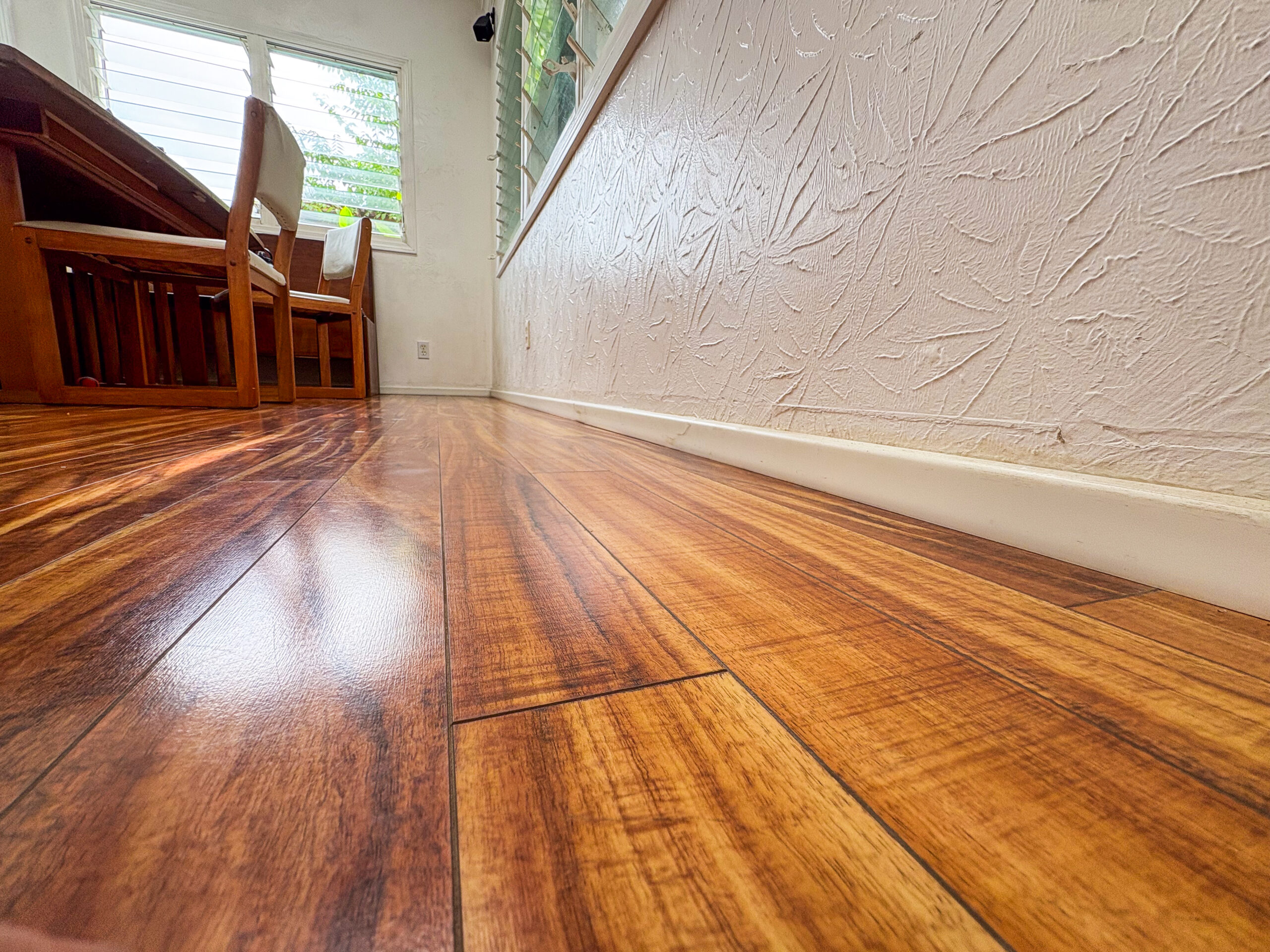
Pests rarely spend time out in the open. They prefer hidden areas: behind baseboards, under sinks, near water sources, inside cracks, and other sheltered spots. When a technician treats your home, they target these “hotspots” where pests feed, nest, or travel.
After treatment, pests may temporarily become more active or appear in new areas as they move out of their hiding spots. While this can be unsettling, it’s actually a sign the treatment is doing its job. Over time, activity should gradually decrease as the environment becomes less hospitable to pests.
How to Know What’s Normal vs. a Persistent Problem
It’s natural to wonder if what you’re seeing is expected or if there’s still a larger issue. Here are a few ways to tell:
- Timing matters – Seeing more pests in the first days or couple of weeks after treatment is normal. If the same level of activity persists beyond a month, it may need further attention.
- Type of activity – A short burst of movement is typical. Continuous or expanding activity may indicate a separate problem.
- Location – Pests moving in areas that were treated (like kitchens or baseboards) is common. Sightings in previously unaffected areas may need evaluation.
- Consistency – A temporary increase followed by a decline is expected. No change, or steady growth, could signal additional steps are needed.
Tips for Getting the Best Results
Following these simple steps can help the treatment work more effectively and reduce pest activity faster:
- Be patient – Treatments take time to fully work; don’t expect overnight results.
- Avoid deep cleaning immediately – Scrubbing treated areas can remove the product before it has a chance to work.
- Control food sources – Store food in sealed containers, keep counters clear, and empty trash regularly.
- Manage water sources – Fix leaks, wipe sinks, and reduce standing water where pests may gather.
- Seal entry points – Close gaps around doors, windows, and pipes to keep pests from returning.
- Observe pest behavior – Slower movement or reduced activity is a positive sign that the treatment is working.
- Communicate with your provider – If you’re unsure about activity or notice anything unusual, your pest control team is there to help.
What to Expect After Your Initial Treatment
After your initial pest control treatment, seeing some increased activity is normal—it means pests are moving out of their hiding spots and the treatment is starting to take effect. Over the following days and weeks, you should notice a gradual decline in sightings as your home becomes less appealing to pests.
Following simple precautions at home, like controlling food and water sources and letting the treatment work, will help maximize results. And if you notice anything unexpected, your pest control company should be a reliable partner, ready to guide you and ensure your home stays protected.
Have questions about your recent treatment or need guidance on what to expect next? Contact Kilauea Pest Control today, and let our experts walk you through every step of the process.