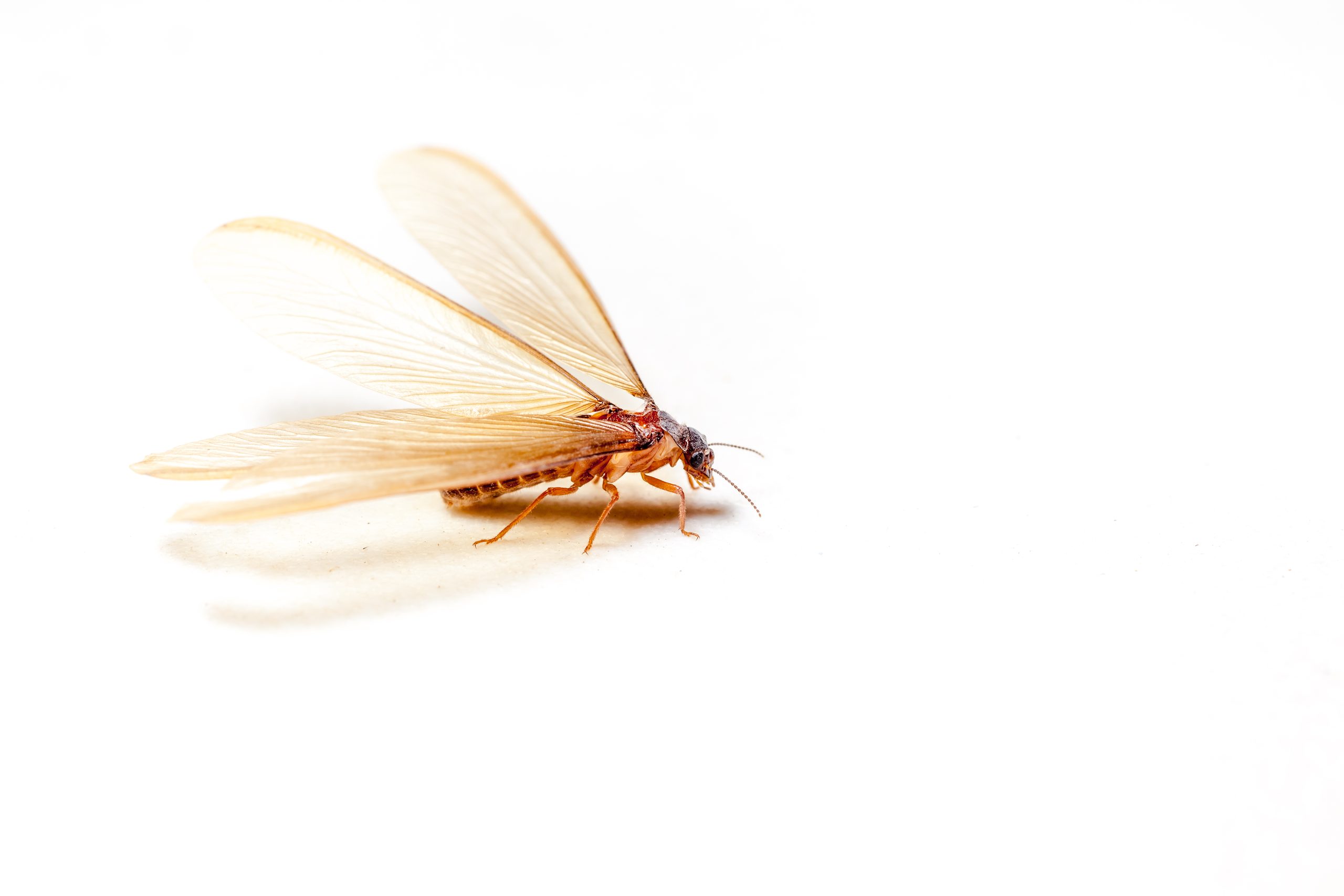
Termite Inspection Reports, commonly called T.I.R.s, are a common part of buying, selling, or refinancing a home in Hawaiʻi. With termites being such a prevalent concern for Hawaiʻi properties, these inspections help identify visible signs of termite activity or damage before a real estate transaction moves forward.
For buyers, a T.I.R. provides important information about the property before moving forward with one of life’s biggest investments. For sellers and real estate professionals, working with an experienced termite team that understands the escrow process can help keep things moving when timelines are tight.
So, what exactly happens during a termite inspection? What is the inspector looking for? And what should buyers and sellers know about the T.I.R. process in Hawaiʻi?
Here’s what to expect.
What Is a Termite Inspection Report?
A Termite Inspection Report documents visible evidence of termite activity and conditions observed during an inspection of accessible areas of a property.
In Hawaiʻi, inspectors commonly look for evidence of drywood termites and subterranean termites, also known as ground termites.
Drywood termites live within wood and can leave behind small pellets that resemble grains of sand. Subterranean termites live in colonies in the ground and may build mud tubes as they travel between the soil and a source of wood.
Knowing what type of termite activity is present helps determine what treatment may be needed.
What Does a Termite Inspector Look For?
During a T.I.R., the inspector checks accessible areas of the property for visible evidence of termite activity.
Depending on the home, this may include:
- Eaves and exposed beams
- Foundations
- Crawl spaces and post-and-pier areas
- Areas where wood meets or approaches the ground
- Accessible wood components
- Areas with visible moisture or water damage
The inspector also looks for conditions that may contribute to termite activity or prevent areas from being properly inspected.
What Are Conducive Conditions?
Conducive conditions are property conditions that may support termite activity or limit access during an inspection.
Common examples include wood-to-ground contact, excess moisture, leaking faucets or air-conditioning units, lumber stored underneath a home, and items blocking access to the foundation.
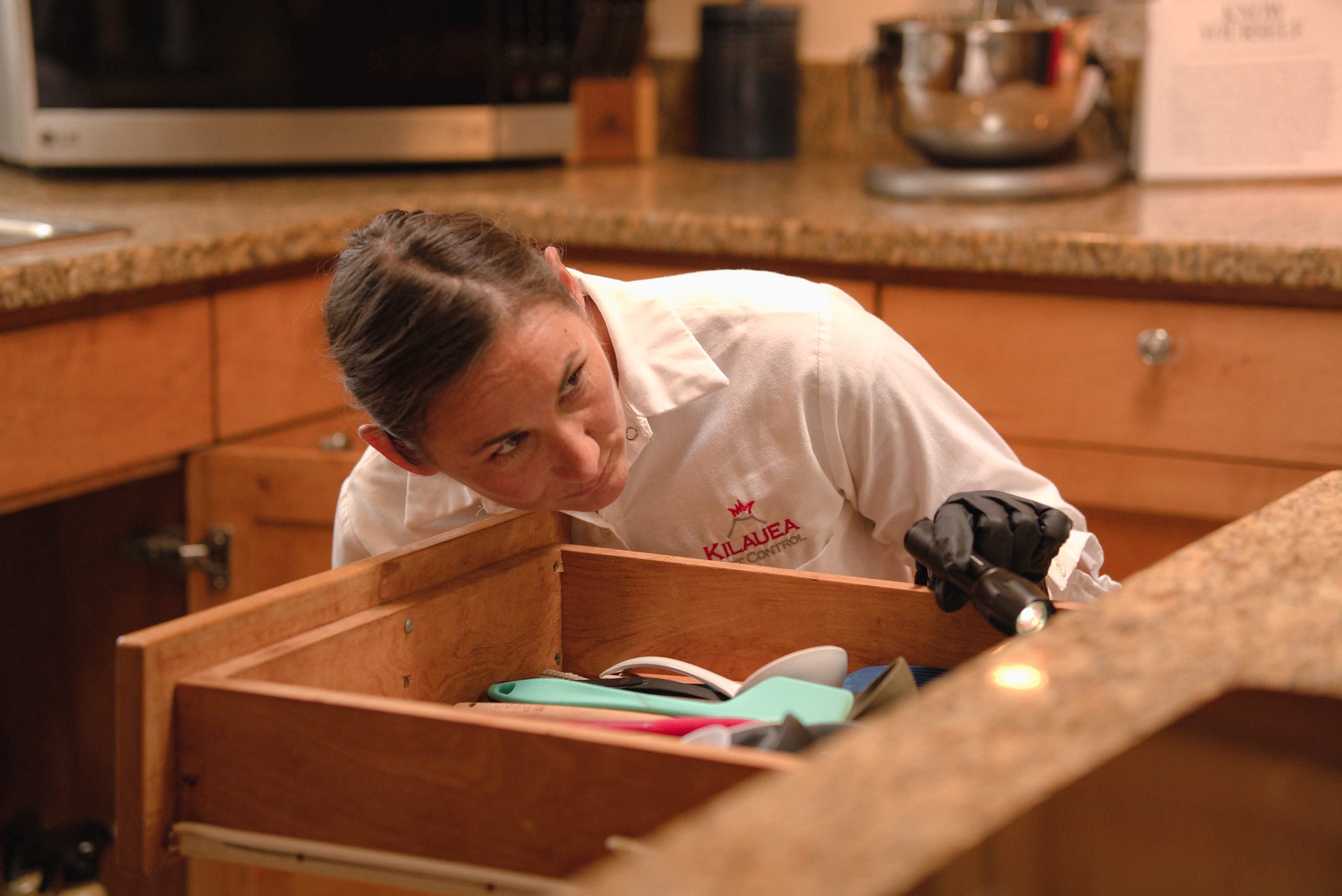
For example, stored lumber underneath a post-and-pier home puts a source of wood close to the structure. Items stacked against the home can also block areas the inspector needs to see.
These conditions may be documented in the T.I.R. so buyers and sellers know what was observed during the inspection.
What Happens If Termite Activity Is Found?
If termite activity is found, the T.I.R. documents the findings, including where activity was observed.
From there, the appropriate treatment can be determined. Kilauea can provide a treatment quote when termite activity is identified so the parties involved can review the findings and determine their next steps.
Timing matters during escrow. Our termite team works across Oʻahu and can help coordinate treatment when it needs to be completed within a real estate transaction timeline.
24-Hour T.I.R. Turnaround
Real estate transactions move quickly, and waiting on an inspection report can hold up the next step.
Kilauea provides a 24-hour turnaround on Termite Inspection Reports following the inspection.
Our termite team has experience completing T.I.R.s for real estate transactions and refinances across Oʻahu, with scheduling and reporting built around the timelines these transactions require.
One-Year Drywood Termite Warranty
Qualifying all-clear Kilauea T.I.R.s include a one-year drywood termite warranty for the incoming buyer.
An all-clear report means no live termite activity was identified during the inspection.
If qualifying drywood termite activity is discovered during the warranty period, covered treatment may be provided according to the terms and conditions of the warranty.
This gives the incoming buyer additional drywood termite coverage after closing.
Need a Termite Inspection Report on Oʻahu?
If you’re buying, selling, refinancing, or helping a client through a real estate transaction, Kilauea Pest Control can help with the T.I.R. process.
Our termite team offers 24-hour report turnaround, convenient scheduling, treatment options when termite activity is found, and a one-year drywood termite warranty with qualifying all-clear reports.
To request a Termite Inspection Report, contact Kilauea Pest Control or submit a T.I.R. request through our website.
Frequently Asked Questions About T.I.R.s in Hawaiʻi
What does T.I.R. stand for?
T.I.R. stands for Termite Inspection Report. It documents visible evidence of termite activity and other relevant conditions observed in accessible areas during the inspection.
What types of termites are inspectors looking for?
In Hawaiʻi, two common concerns are drywood termites and subterranean termites. Inspectors look for visible evidence associated with both types during the inspection.
What happens if termites are found during a T.I.R.?
The termite activity is documented in the report. Treatment options can then be reviewed, and Kilauea can provide a treatment quote when applicable.
How quickly will I receive my Kilauea T.I.R.?
Kilauea provides a 24-hour report turnaround following the inspection.
Does a Kilauea T.I.R. include a warranty?
Qualifying all-clear Kilauea T.I.R.s include a one-year drywood termite warranty for the incoming buyer. Coverage is subject to the terms and conditions of the warranty.