Rodent bait stations are commonly used around Hawaiʻi homes to help manage rat and mouse activity. But how do they work, and how can you tell if they’re effective?
From strategic placement to routine inspections, bait stations require ongoing monitoring to track rodent activity and determine when adjustments are needed.
Here’s what homeowners should know about how rodent bait stations work and their role in professional rodent control.
What Is a Rodent Bait Station?
A rodent bait station is a secured container designed to hold rodent-control bait as part of a professional rodent management program.
Also called rat bait stations or bait boxes, these devices are commonly installed around the exterior of residential and commercial properties. They’re designed to restrict access to the bait by children, pets, and other non-target animals while allowing targeted rodents to enter.
Professional bait stations are secured, and the products inside must be used according to their labeling.
How Do Rodent Bait Stations Work?
Rodent bait stations allow rodents to enter and access bait contained within a secured device. Depending on the products used, the bait is designed to help control rodent populations.

The effectiveness of a bait station program depends on several factors, including the property’s conditions, rodent activity, and ongoing monitoring.
At Kilauea Pest Control, our technicians evaluate these factors to determine how bait stations can support a property’s rodent management program.
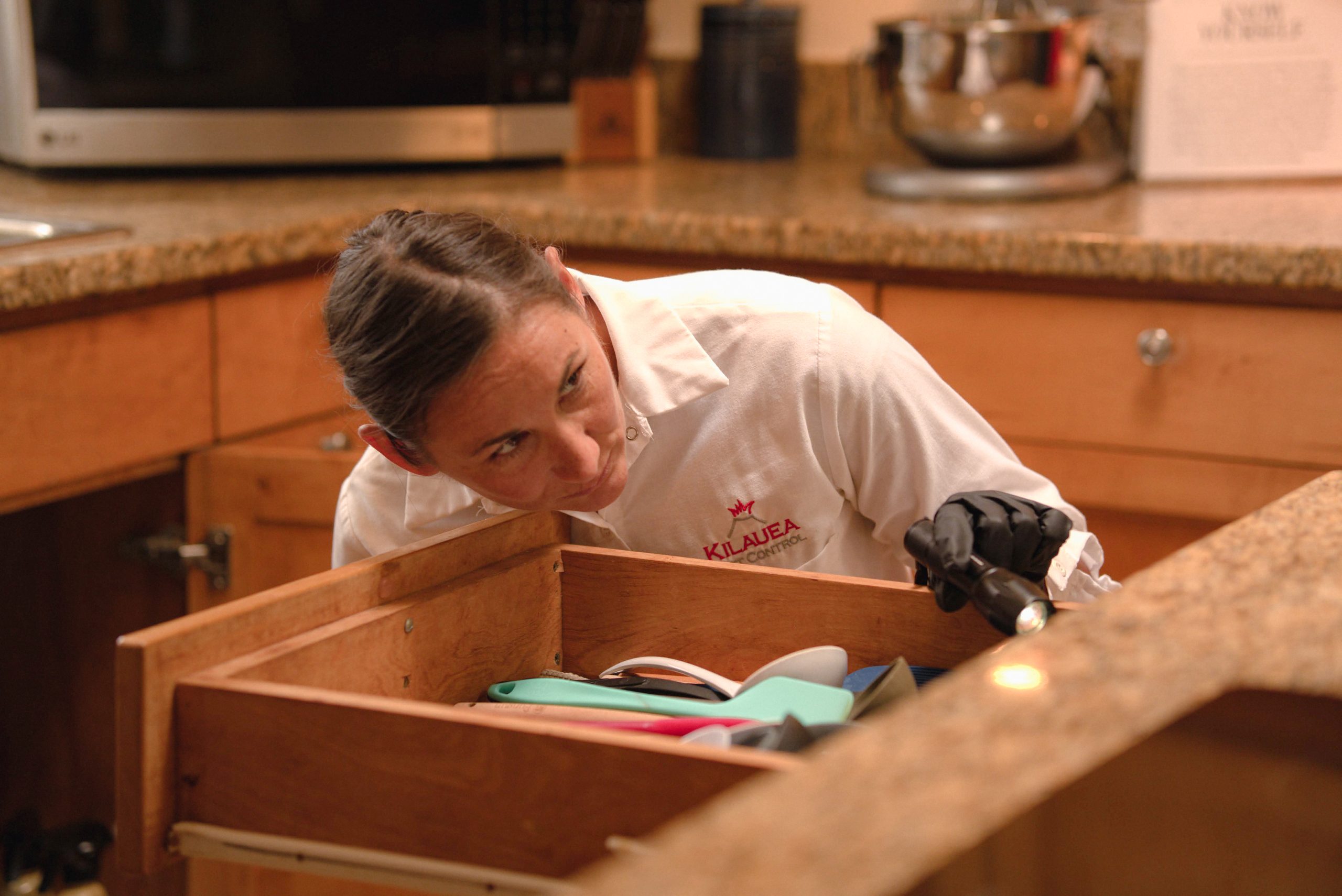
This includes inspecting for evidence of activity, monitoring stations during service visits, and evaluating changes over time.
These findings help our technicians determine whether the current approach is effective or if additional measures may be necessary.
How Do You Know If a Rodent Bait Station Is Working?
Bait consumption is one indicator technicians use to evaluate rodent activity, but it doesn’t provide the complete picture.
During recurring service visits, technicians may look for:
- Bait consumption: Changes in how much bait is being consumed between visits.
- Signs of rodent activity: Droppings, gnaw marks, or other evidence around the property.
- Changes in activity: Whether rodent activity appears to be increasing, decreasing, or moving to different areas.
- Homeowner observations: Reports of sightings, scratching noises, or other activity between visits.
For example, a decrease in bait consumption may indicate a change in rodent activity. However, technicians also consider other evidence before determining whether the program is making progress.
Likewise, a station with little or no activity doesn’t automatically mean it’s unnecessary.
By comparing findings over multiple visits, our technicians can better understand rodent activity around the property and make recommendations based on those observations.
Why Do Professional Placement and Monitoring Matter?
Rodent activity can vary significantly between properties. Vegetation, outdoor food sources, nearby structures, and available shelter can all influence where rats and mice are active.
At Kilauea Pest Control, our technicians evaluate these conditions to determine how bait stations should be incorporated into a property’s rodent management program.
Regular monitoring is equally important. As property conditions and rodent activity change, our technicians inspect stations, track activity between visits, and evaluate whether adjustments are necessary.
These ongoing inspections also help identify additional concerns, such as potential entry points or conditions contributing to continued rodent activity.
For homeowners, professional placement and monitoring provide a more informed approach to managing rodents as conditions around the property change.
Can Rainy Weather Affect Rodent Activity in Hawaiʻi?
Periods of heavier rain can influence where rodents search for food, water, and shelter.
Changing outdoor conditions may lead rodents to seek more protected areas around homes, including garages, covered storage spaces, and rooflines.
However, rainfall alone doesn’t determine whether rodents will enter a structure. Existing food sources, shelter, and potential entry points also influence their movement.
Changes in activity following periods of rain can provide useful information during ongoing rodent inspections.
Why Am I Still Seeing Rats If I Have Bait Stations?
Rodent bait stations can help manage activity around a property, but several conditions may contribute to continued sightings.

These include:
- Existing rodent populations in surrounding areas
- Accessible food and water sources
- Vegetation or outdoor areas providing shelter
- Structural openings that allow rodents inside
- Changes in outdoor conditions or rodent activity
Seeing a rat doesn’t automatically mean the bait station program is ineffective.
However, continued sightings or new evidence of activity should be reported to your pest control technician.
At Kilauea, these observations help our team evaluate the existing program and determine whether additional inspections or adjustments may be necessary.
Are Rodent Bait Stations Enough to Keep Rats Out of Your Home?
No. Bait stations can help manage rodent activity, but they don’t physically prevent rats or mice from entering a structure.
Rodents can take advantage of openings around rooflines, vents, utility penetrations, and other vulnerable areas of a home.
When potential entry points are identified, additional rodent exclusion measures may be recommended.
What Goes Into Professional Rodent Management?
Rodent management involves evaluating several factors that can contribute to activity around a property.
At Kilauea Pest Control, our technicians consider:
- Rodent activity: Evidence of rats or mice around the property.
- Property conditions: Available food, water, and shelter.
- Potential entry points: Areas where rodents may be accessing the structure.
- Monitoring results: Changes in activity observed during recurring service visits.
- Additional concerns: Conditions that may require further control or exclusion recommendations.
This information helps our team develop and maintain a rodent management approach based on the property’s needs.
Professional Rodent Control for Hawaiʻi Homes
Kilauea Pest Control provides residential rodent control services tailored to each property’s conditions and observed activity.
Our technicians use professional inspections, strategically placed bait stations, and ongoing monitoring to help manage rodent activity. When additional concerns are identified, our team can also recommend rodent exclusion services to help address potential structural entry points.
Noticing rats or mice around your property?
Contact Kilauea Pest Control to schedule an inspection and learn more about our rodent control services.