Termites are one of the most destructive pests Hawaiʻi homeowners face, with prevention, control, and damage repairs costing residents an estimated $100 million or more each year, according to the University of Hawaiʻi Termite Project.
Why Are Termites So Common in Hawaiʻi?
The same conditions that allow many pests to thrive in Hawaiʻi also favor termites. Warm temperatures, frequent rainfall, and high humidity provide favorable conditions for termite activity, while wood and other cellulose-based materials around homes provide a food source.
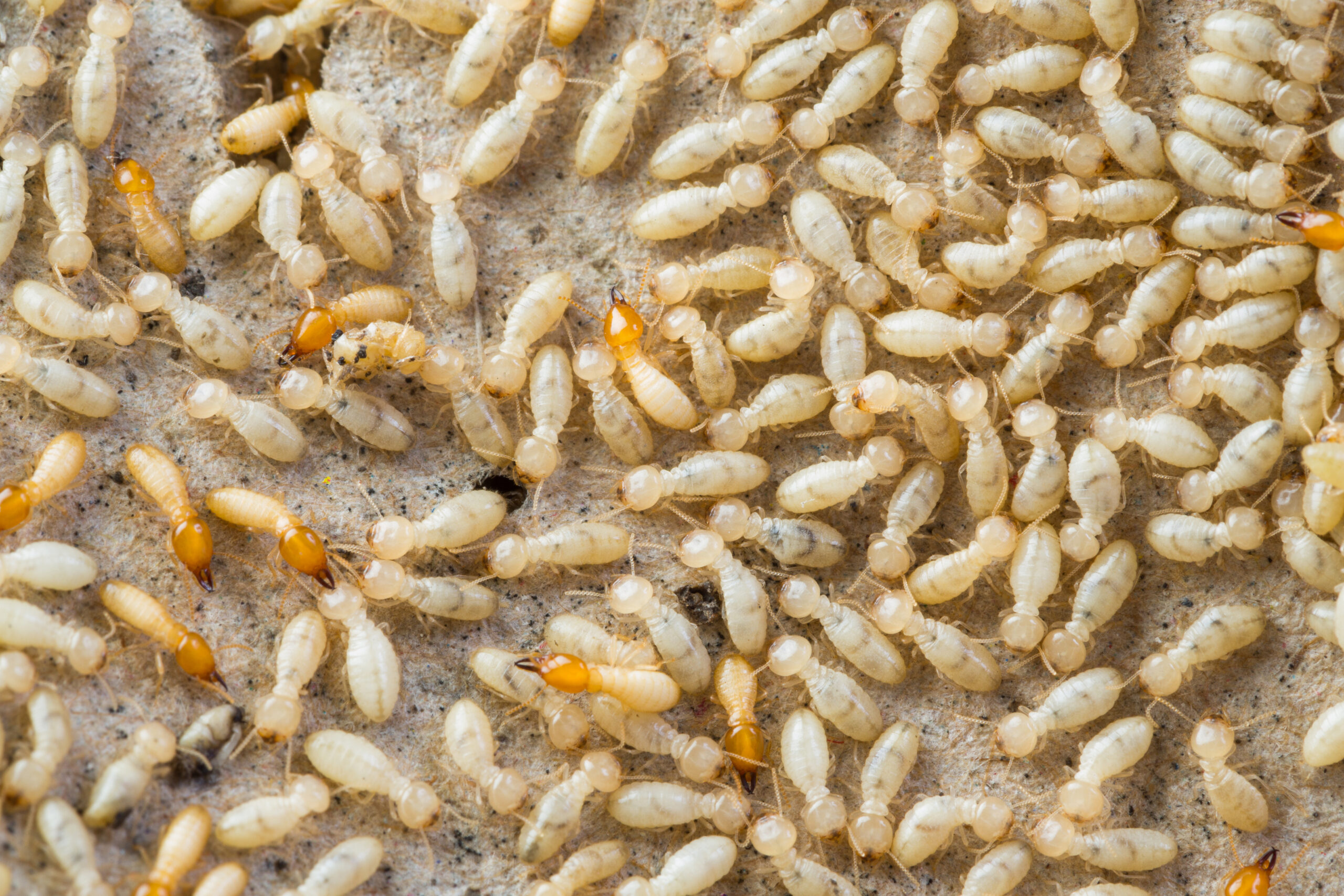
Hawaiʻi is also home to several termite species that can damage structures, including subterranean and drywood termites. Of particular concern is the Formosan subterranean termite, which the University of Hawaiʻi identifies as the most damaging termite found in the state.
Hawaiʻi’s Moisture Can Create Favorable Conditions
Subterranean termites depend on moisture to survive, making consistently damp soil around a home especially favorable for termite activity. In Hawaiʻi, frequent rainfall combined with drainage or moisture issues can create these conditions around a structure.
Common sources of excess moisture include:
- Poor drainage or pooling water
- Leaking pipes or outdoor faucets
- Sprinklers positioned close to the home
- Air-conditioning condensation
- Gutters or downspouts that don’t direct water away from the structure
- Dense vegetation growing against the home
Reducing excess moisture and correcting drainage issues around the home can help make conditions less favorable for subterranean termites.
Hawaiʻi Homes Face More Than One Termite Threat
Two of the primary structural termite threats Hawaiʻi homeowners should know are subterranean and drywood termites.
Subterranean Termites
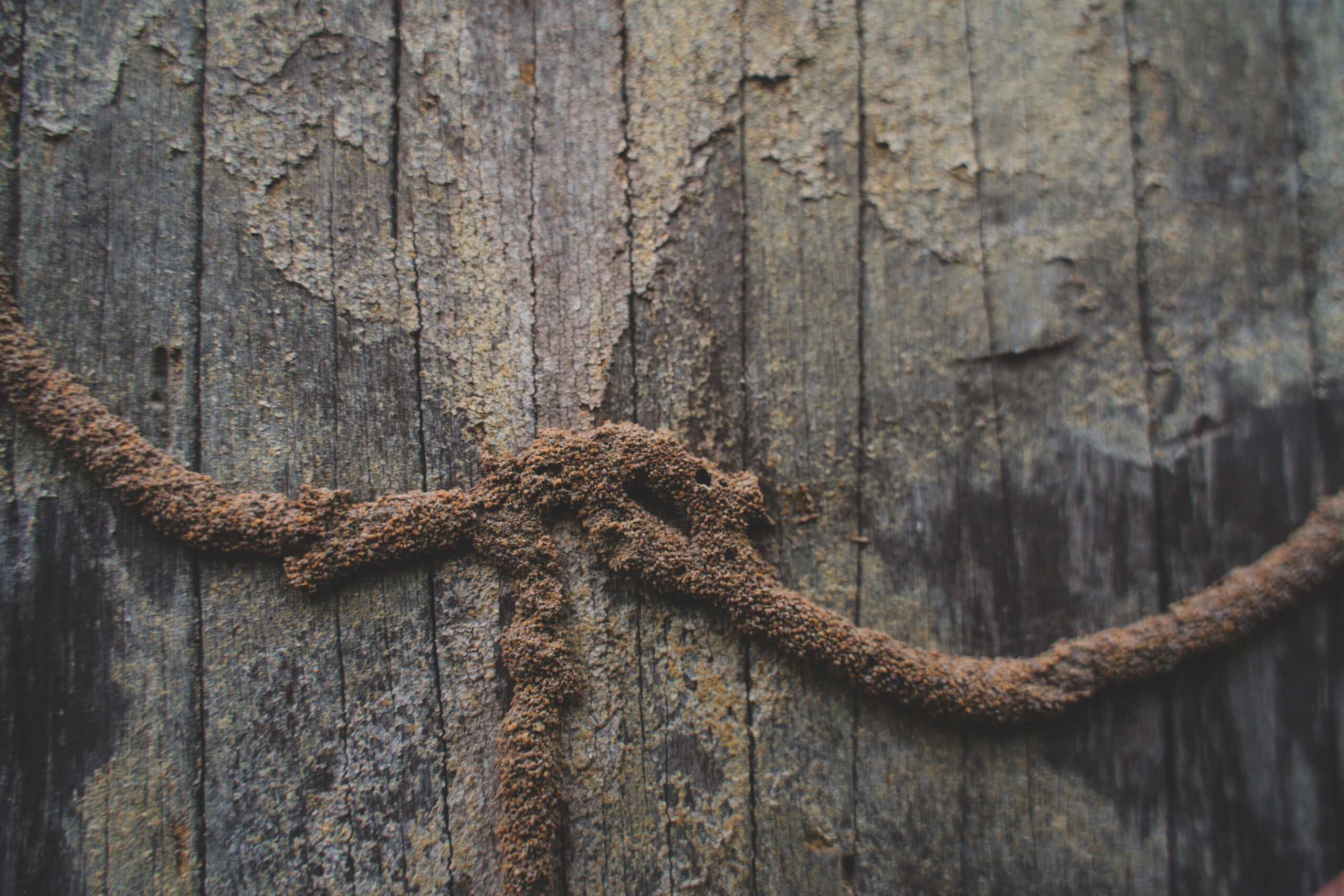
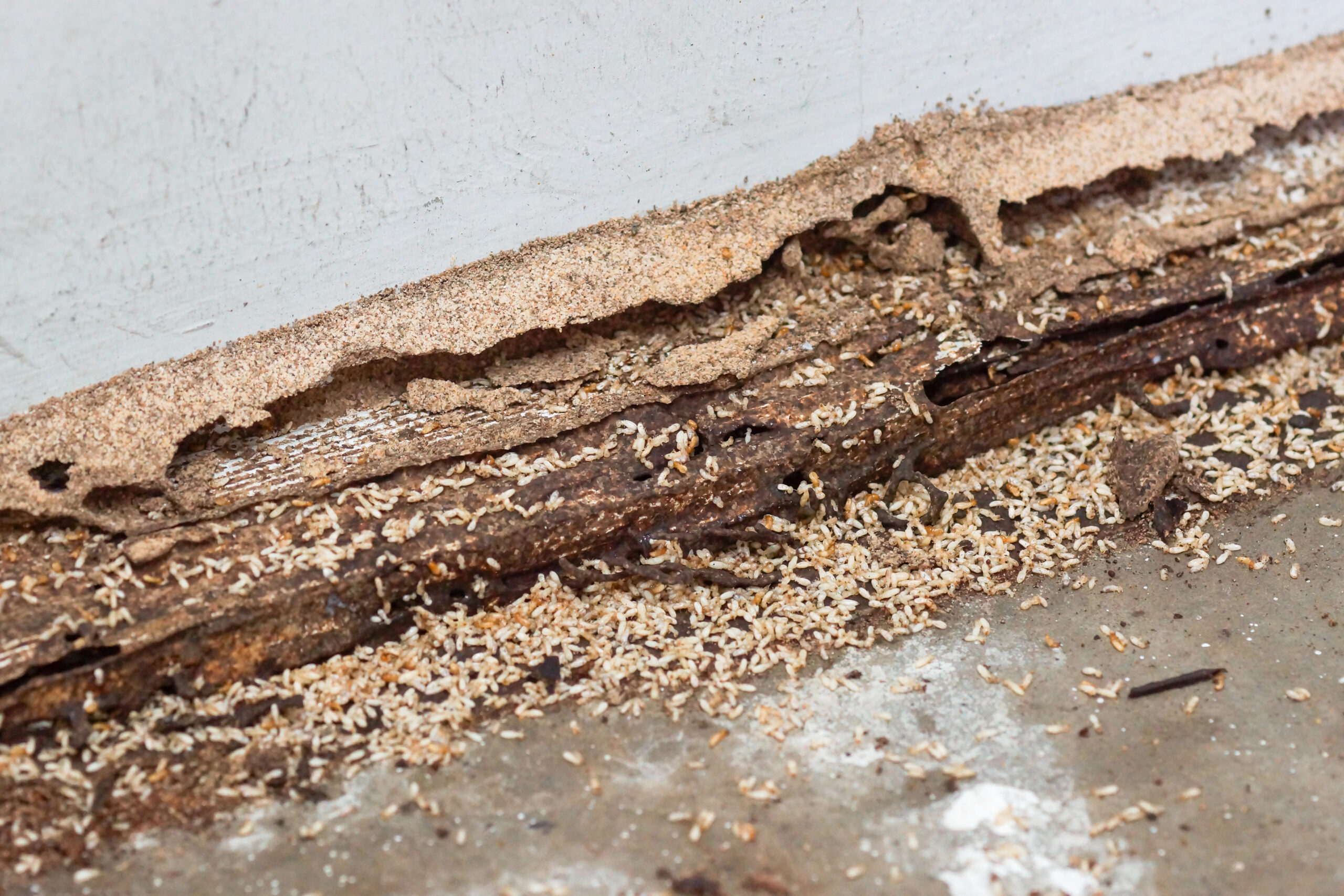
Subterranean termites typically establish colonies underground. They can reach a structure from the soil through cracks, openings and the mud tubes they build between the ground and a food source.
Formosan subterranean termites are particularly destructive and can establish large colonies. Because much of their activity can remain underground or concealed within a structure, an infestation may not always be immediately noticeable.
Drywood Termites
Drywood termites, on the other hand, don’t need the same connection to soil. Instead, they can live directly inside the dry wood they infest, including structural wood, woodwork, furniture and other seasoned wood.
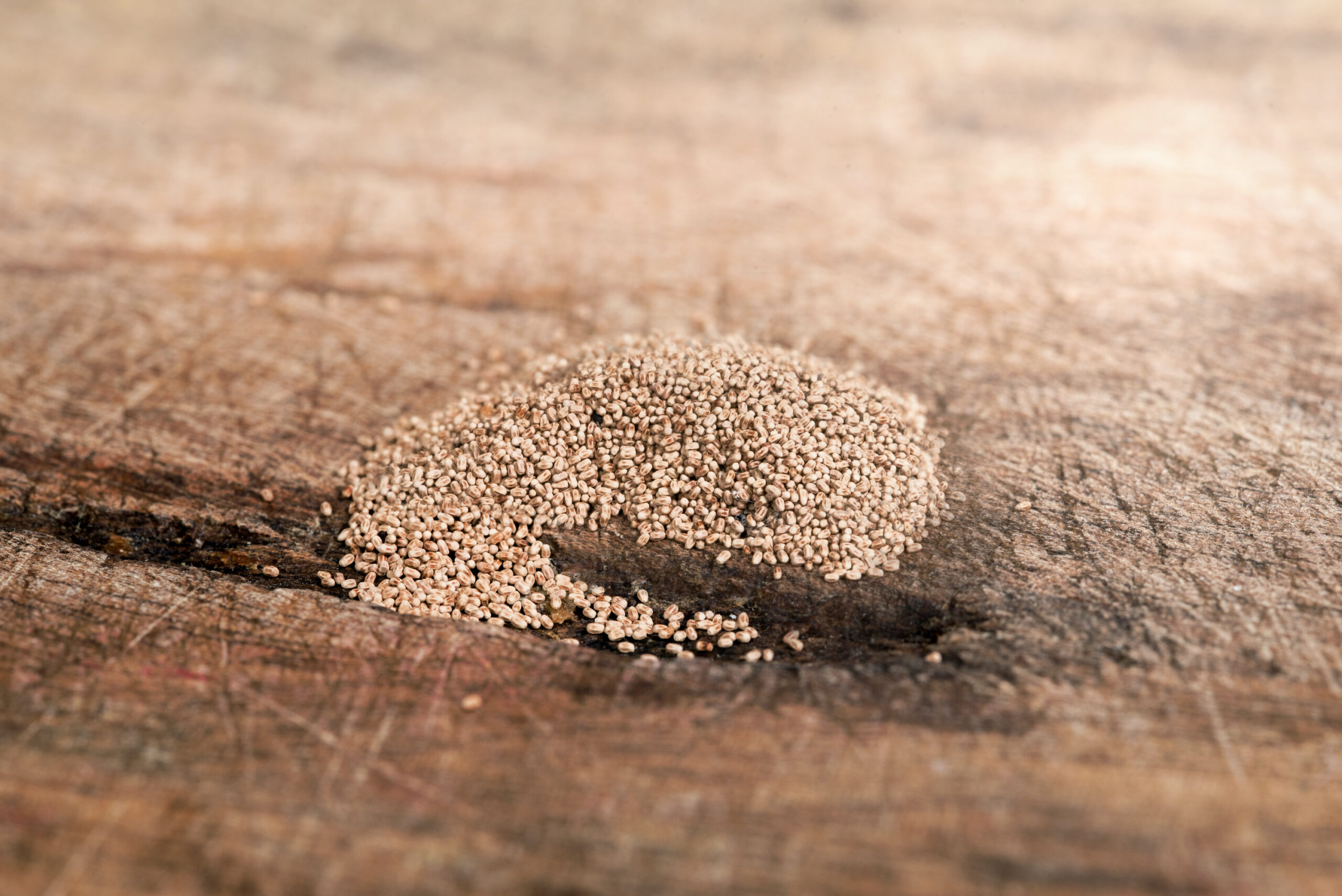
One of the more recognizable signs of drywood termite activity is frass, or termite droppings. These small pellets can collect beneath tiny openings in infested wood and may look like little piles of sand.
What Around Your Home Can Increase Termite Risk?
Pay attention to conditions around your property that may make termite activity easier to establish or harder to notice.
A few areas worth checking include:
- Wood-to-soil contact: Wood touching soil can provide subterranean termites with a direct path to a food source.
- Lumber, cardboard and plant debris: Leaving cellulose-based materials around a structure can provide additional food sources.
- Leaks: Plumbing, faucets and other persistent water sources can create excess moisture.
- Poor drainage: Water that consistently collects near the home can contribute to favorable soil conditions.
- Sprinklers near the structure: Regular watering directly beside the home can keep surrounding soil moist.
- Vegetation against the house: Plants can provide moisture and make it more difficult to spot mud tubes or other signs along the structure.
- Cracks and openings: Subterranean termites can use cracks and other small openings to gain access to a structure.
Signs of Termites Hawaiʻi Homeowners Should Watch For
Signs of termite activity differ between subterranean and drywood termites. Subterranean termite signs may include:
- Mud tubes along foundations or other surfaces
- Swarmers or discarded wings
- Soft or hollow-sounding wood
- Peeling or blistering paint
- Visible wood damage
For drywood termites, a common sign is frass, small sand-like pellets that may collect beneath holes in infested wood. Swarmers, discarded wings, and damaged wood can also indicate activity.
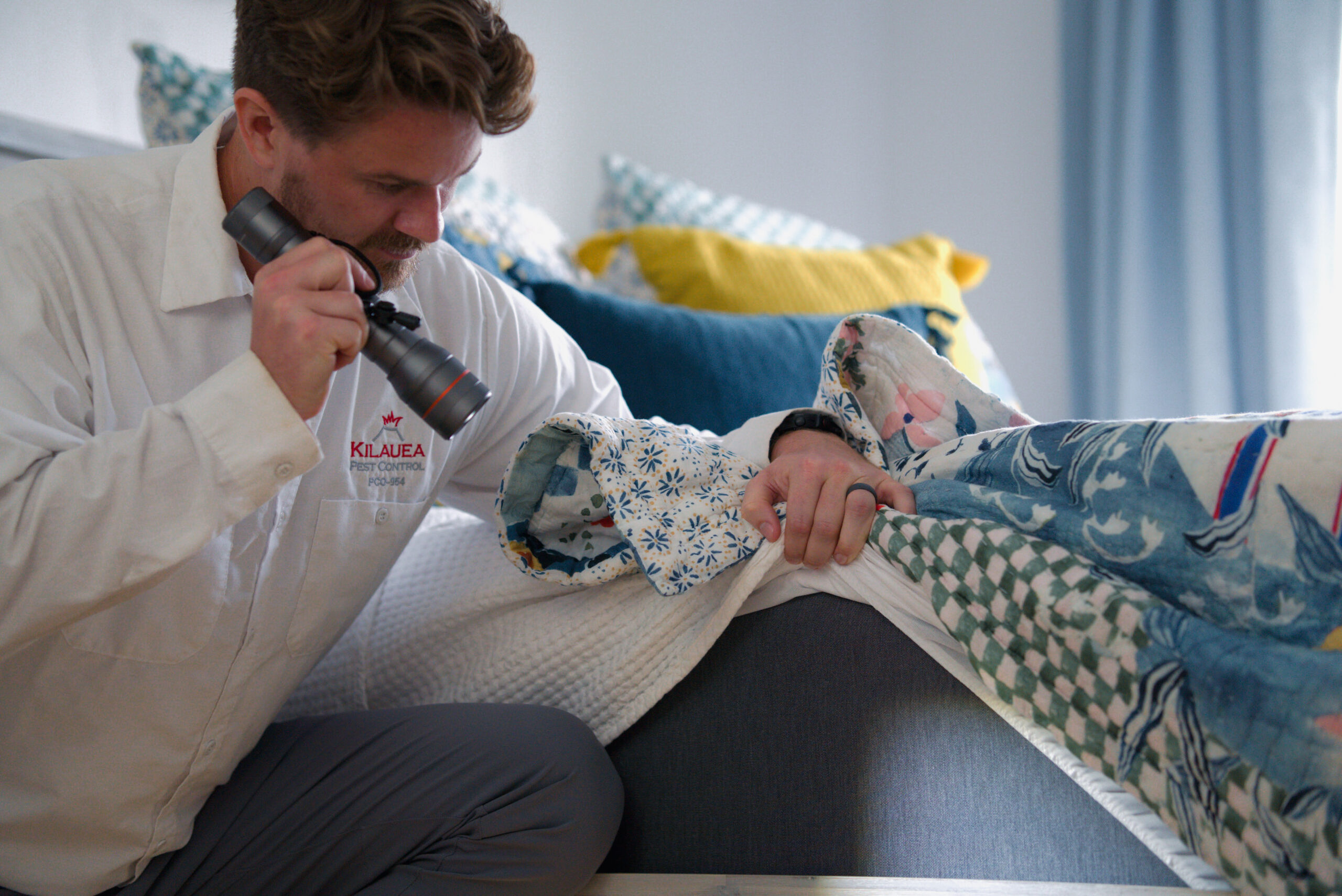
Because termite activity can remain hidden, a professional inspection can help identify the type and extent of an infestation.
Think You Might Have Termites?
Wings, frass, mud tubes, or damaged wood can indicate termite activity, but a professional inspection can help determine the type of termite and extent of the infestation.
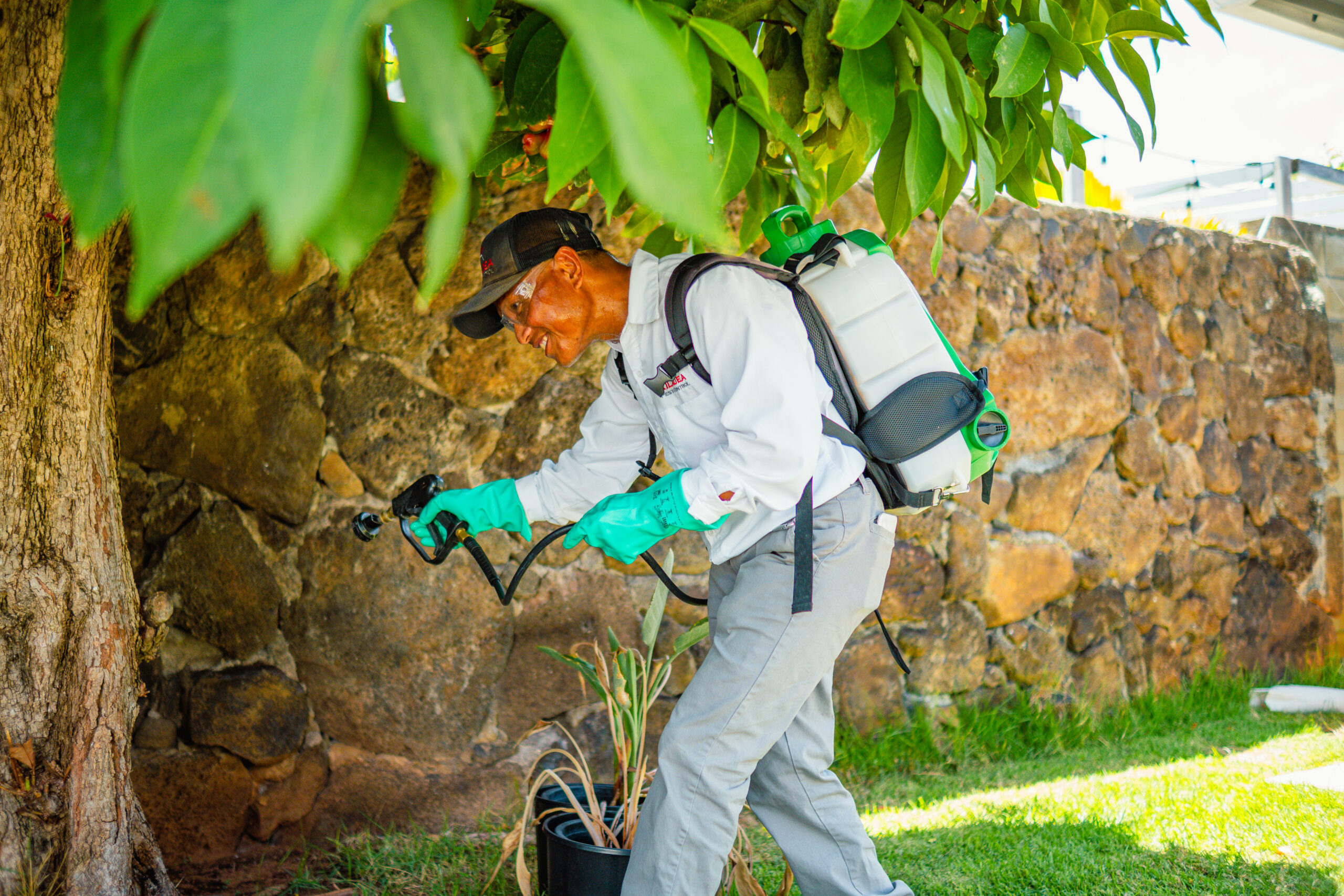
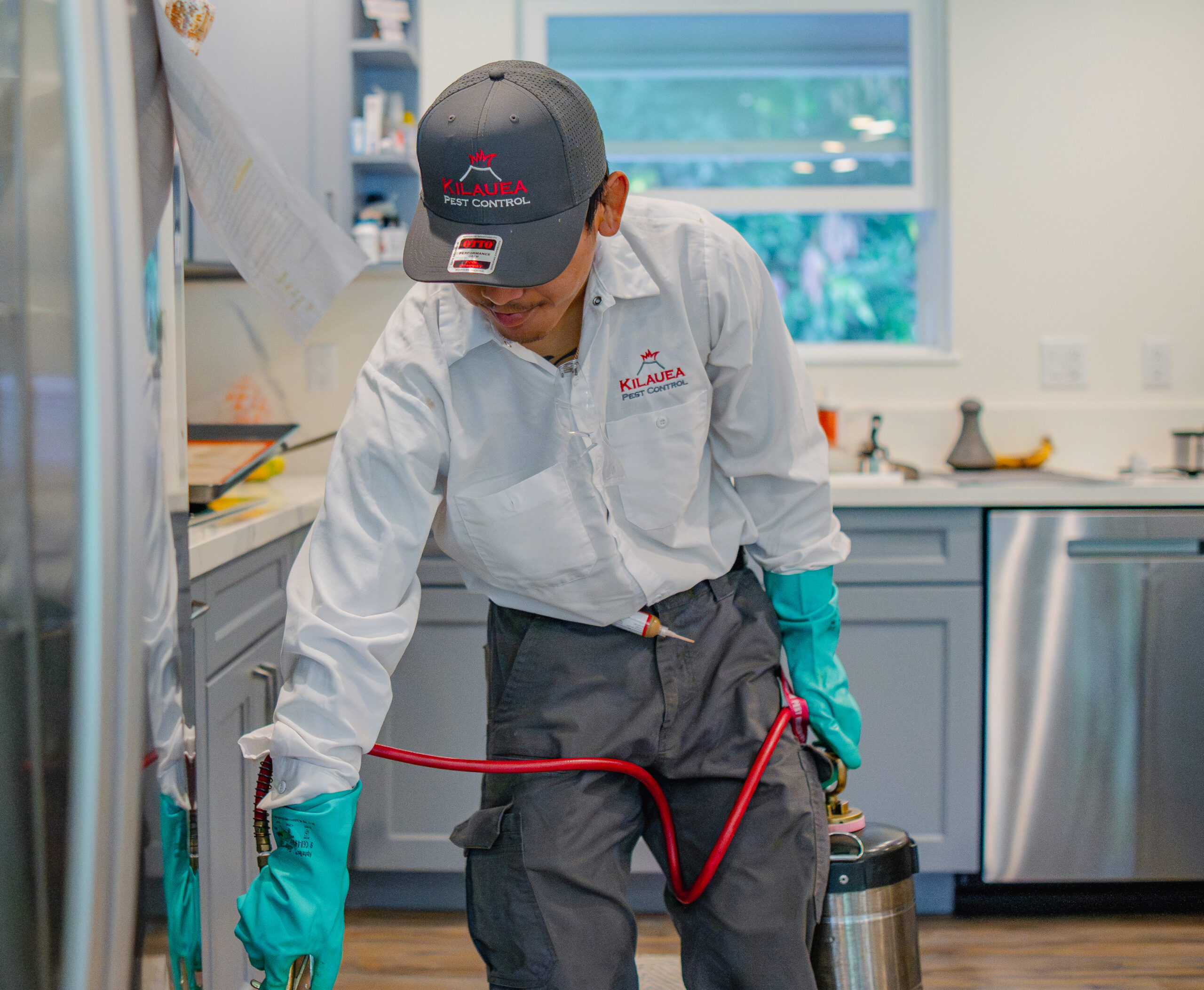
Kilauea Pest Control’s termite team can inspect your property, identify signs of activity, and recommend treatment options based on what we find.
Think you might have termites? Schedule a termite inspection with Kilauea Pest Control today.